
Selling a home successfully starts with the right plan, not just a listing date. From pricing and preparation to marketing, negotiations, and closing, each step can affect your final result. If you want a smoother sale and stronger positioning in the market, it helps to approach the process with clear priorities from day one.
If you are preparing to sell, the most important first step is to think strategically before your home goes live. Sellers often focus on one piece of the process—usually price—but the strongest outcomes usually come from a combination of smart pricing, thoughtful preparation, strong presentation, and a clear plan for handling offers. Whether you are moving across town or making a larger transition, a well-prepared sale can help you protect your equity and reduce unnecessary stress.

One of the biggest mistakes sellers make is entering the market without a realistic understanding of how buyers will view the property. Buyers compare your home to everything else currently available, plus recent sales they have already seen online. That means your home is not judged in isolation. It is judged against the competition. Before listing, it is worth taking time to understand what makes your property stand out, where it may need improvement, and how it should be positioned to attract serious interest.
Start With a Smart Pricing Strategy
Pricing is one of the most important decisions in the entire selling process. A price that is too high can reduce early momentum, cause the listing to sit, and lead buyers to wonder whether something is wrong. A price that is too low may create activity, but it can also leave money on the table if it does not reflect the home's true market position.
The best pricing strategy usually comes from looking at recent comparable sales, current competition, neighborhood trends, property condition, and buyer demand at your price point. Sellers should also remember that the first days on market are often the most important. That is when a new listing gets the most attention, and strong early interest can shape the entire trajectory of the sale.
The goal is not simply to pick a number you like. The goal is to choose a price that makes buyers feel your home is worth seeing—and worth competing for.
Prepare the Home Before It Hits the Market
Preparation matters because buyers notice details quickly. Small issues that seem manageable to a homeowner can signal deferred maintenance to a buyer. Before listing, it is smart to walk through the home with fresh eyes and identify anything that could distract from the overall impression.
That may include decluttering, deep cleaning, touching up paint, improving lighting, refreshing landscaping, repairing minor cosmetic issues, and simplifying rooms so they feel more open. In many cases, sellers do not need a full renovation. They need a cleaner, brighter, more move-in-ready presentation that helps buyers picture themselves living there.
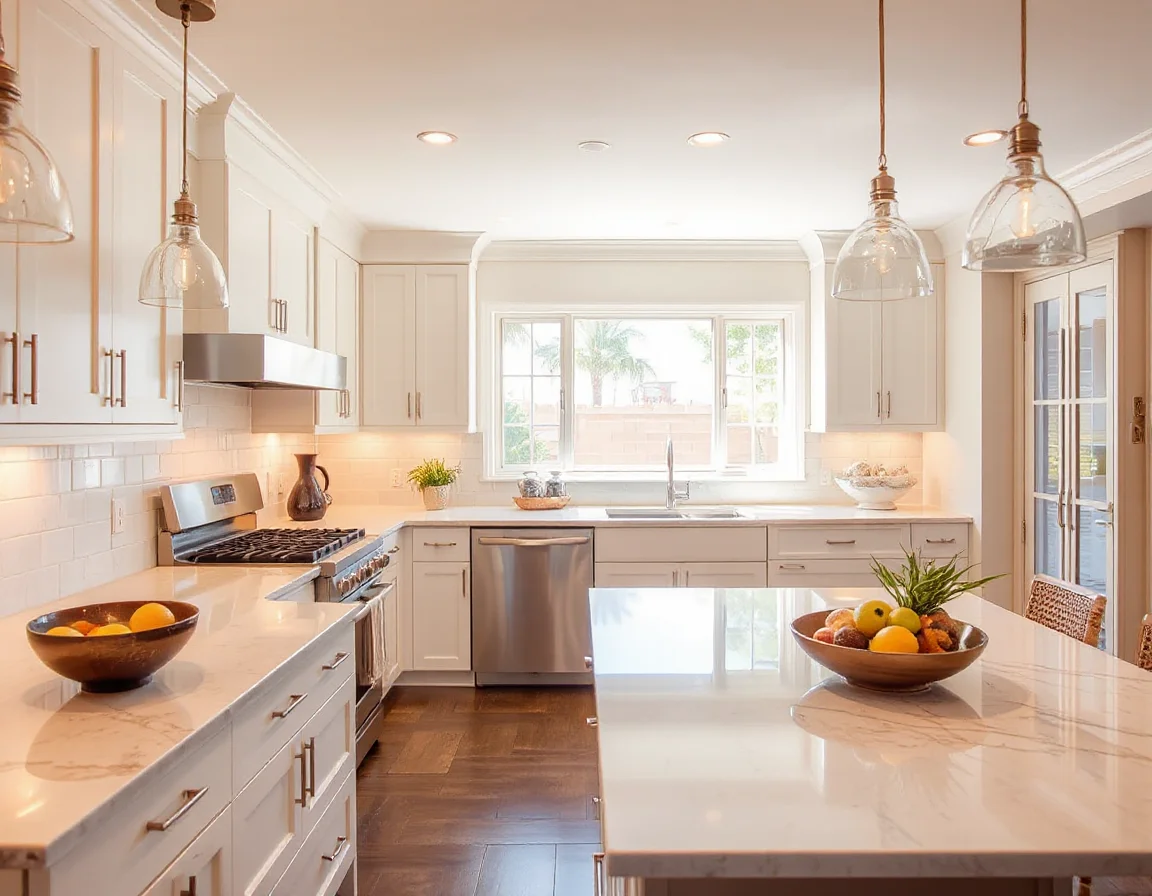
Focus especially on the spaces that influence buyer perception most strongly, such as the kitchen, primary bath, entry, living areas, and front exterior. These areas often shape whether a buyer feels excited, neutral, or hesitant.
Think Carefully About Timing
Timing can influence both convenience and market response. Some sellers need to move quickly because of a job change, family transition, or purchase timeline. Others have more flexibility and can choose a launch window based on local market conditions, inventory levels, and seasonal buyer activity.
Good timing is not only about the month you list. It is also about whether the home is truly ready. Listing too early—before photos, repairs, staging, or presentation are complete—can weaken your first impression. In many cases, waiting a short time to prepare properly is more effective than rushing to market with an unfinished product.
If you are also buying another home, timing becomes even more important. You may need a plan for possession, rent-back options, contingency coordination, or temporary housing depending on your next move.
Invest in Marketing That Creates Confidence
Once the home is ready, marketing should do more than announce that the property is available. It should create confidence and help buyers understand the value of the home immediately. Strong listing photos, compelling property descriptions, accurate details, and broad online exposure all play a role in attracting the right audience.
For sellers, this means presentation and promotion should work together. A beautifully prepared home still needs visibility. At the same time, heavy marketing cannot overcome weak pricing or poor condition. The strongest results usually come when the home is positioned well from every angle.
Buyers often decide how serious they are within moments of seeing a listing online. Strong visuals and a clear value story can make the difference between a showing request and a skipped listing.
Be Ready for Showings and Feedback
Once your home is active, flexibility matters. The easier it is for qualified buyers to see the property, the more opportunities you create. That may mean keeping the home consistently clean, minimizing personal items, and having a plan for short-notice showings.
It is also important to pay attention to feedback. If multiple buyers say the same thing—about condition, layout, price, or presentation—that information can be useful. Sellers do not need to react emotionally to every comment, but patterns in feedback can help guide smart adjustments if needed.
Showings are not just about access. They are about maintaining the experience. A fresh, bright, uncluttered home tends to show better and leave a stronger impression.

Evaluate Offers Beyond the Top Number
When offers come in, price is important—but it is not the only factor. Sellers should also look at financing strength, contingencies, inspection terms, closing timeline, deposit amount, and the buyer's overall likelihood of reaching the finish line.
A higher offer with weak terms is not always better than a slightly lower offer with cleaner structure and stronger certainty. Negotiation is about balancing net proceeds with risk, timing, and practicality. In some cases, the best outcome comes from improving terms rather than simply pushing for a higher number.
This is also the stage where preparation pays off. Sellers who understand their priorities in advance are often better positioned to respond confidently and avoid rushed decisions.
Prepare Early for the Closing Process
After a contract is accepted, there is still important work ahead. Inspections, appraisal, disclosures, title review, repairs, moving logistics, and final paperwork can all affect the path to closing. Sellers who prepare early tend to experience fewer surprises.
It helps to gather documents, understand any known property issues, stay ahead of repair conversations, and keep communication organized throughout escrow. If you are purchasing another property at the same time, coordination becomes even more important.
The closing stage should feel like the final step in a well-managed process, not a scramble. The more organized you are before listing, the easier it is to navigate the final stretch.
A Better Sale Starts With a Better Plan
Selling a home is not just about putting a sign in the yard. It is about making a series of smart decisions that support your goals from start to finish. Pricing, preparation, timing, marketing, showings, negotiation, and closing all work together. When those pieces are aligned, sellers are in a much stronger position to move forward with confidence.
If you are thinking about selling and want practical guidance on the right next steps, contact Cindy Jones for thoughtful support and a strategy tailored to your home and timeline.