
Luxury pricing in the Coachella Valley is not determined by a national headline or a broad online estimate. The right strategy begins with the homes, communities, and buyer expectations that truly compete with yours—often within just a few streets of your property.
Luxury real estate is often discussed as though it is one market. It is not. The differences between high-end markets across the country—and between communities here in the Coachella Valley—can be substantial. For sellers, that distinction matters because a luxury price point alone does not establish value, demand, or the right path to a successful sale.
A recent Homes.com analysis of the highest publicly marketed home sales across major U.S. markets illustrates how dramatically luxury real estate can vary from city to city. The data is a useful reminder that smart pricing and positioning start locally, not nationally.
Luxury Is Not One National Market
At the extreme end of the market, Los Angeles recorded a $130 million Bel Air sale at a foreclosure auction. The second-highest Los Angeles-area sale was $55 million in Malibu, while the fifth-highest sale was $29 million. Those transactions reflect an exceptionally broad and high-priced luxury landscape.
Compare that with Charlotte, where the five highest sales ranged from approximately $5.67 million to $6.5 million. Both are luxury markets, yet the scale, buyer pool, and range of outcomes are entirely different. A seller cannot assume that the conversation, competition, or expectations surrounding a luxury home in one city will translate directly to another.
That is equally true within a single region. A property may share a price range with another home but appeal to a very different buyer because of location, setting, architecture, lifestyle, or the confidence buyers have in a particular community. The most useful comparison is never simply the most expensive sale; it is the most relevant one.
A luxury home is not priced by its label. It is priced by how today’s informed buyers compare its location, condition, lifestyle, and scarcity with the alternatives available to them.
The $10 Million Divide
One of the most interesting observations in the Homes.com analysis was what happened once sales moved above roughly $10 million. Los Angeles, Miami, New York, and Phoenix all had top-five luxury sales beginning above that level, and the distance between the highest and lowest transactions became much greater.
Markets below that threshold tended to show a narrower range among their highest sales. This does not make one market better than another. It does show that the upper reaches of luxury can behave differently depending on the depth of qualified demand, the rarity of the property, and the variety of homes available at comparable price points.
There is another important lesson for sellers: an expensive property does not automatically give its owner the ability to name any price. The analysis noted a Miami waterfront property that sold for $40 million after originally being listed for $59 million. Even at that level, buyers evaluate value carefully and negotiate when a property’s initial position does not align with the market.
For a luxury seller, this is why a strong launch is more than a number on a listing agreement. It is a considered decision about the property’s competitive set, its presentation, its timing, and the story that makes the right buyer understand its value.
What Does This Mean for Coachella Valley Sellers?
Palm Springs, Rancho Mirage, Palm Desert, Indian Wells, and La Quinta each have their own luxury markets. Even within those cities, values can change dramatically from one community to another. A home behind the gates at one country club may compete for a completely different buyer than a similarly priced home only a few miles away.
That is why a broad median price, an automated estimate, or a national luxury headline can only provide background. They cannot substitute for a close review of the properties a prospective buyer will see as alternatives to yours. In the Coachella Valley, the details are not minor—they are often the market.
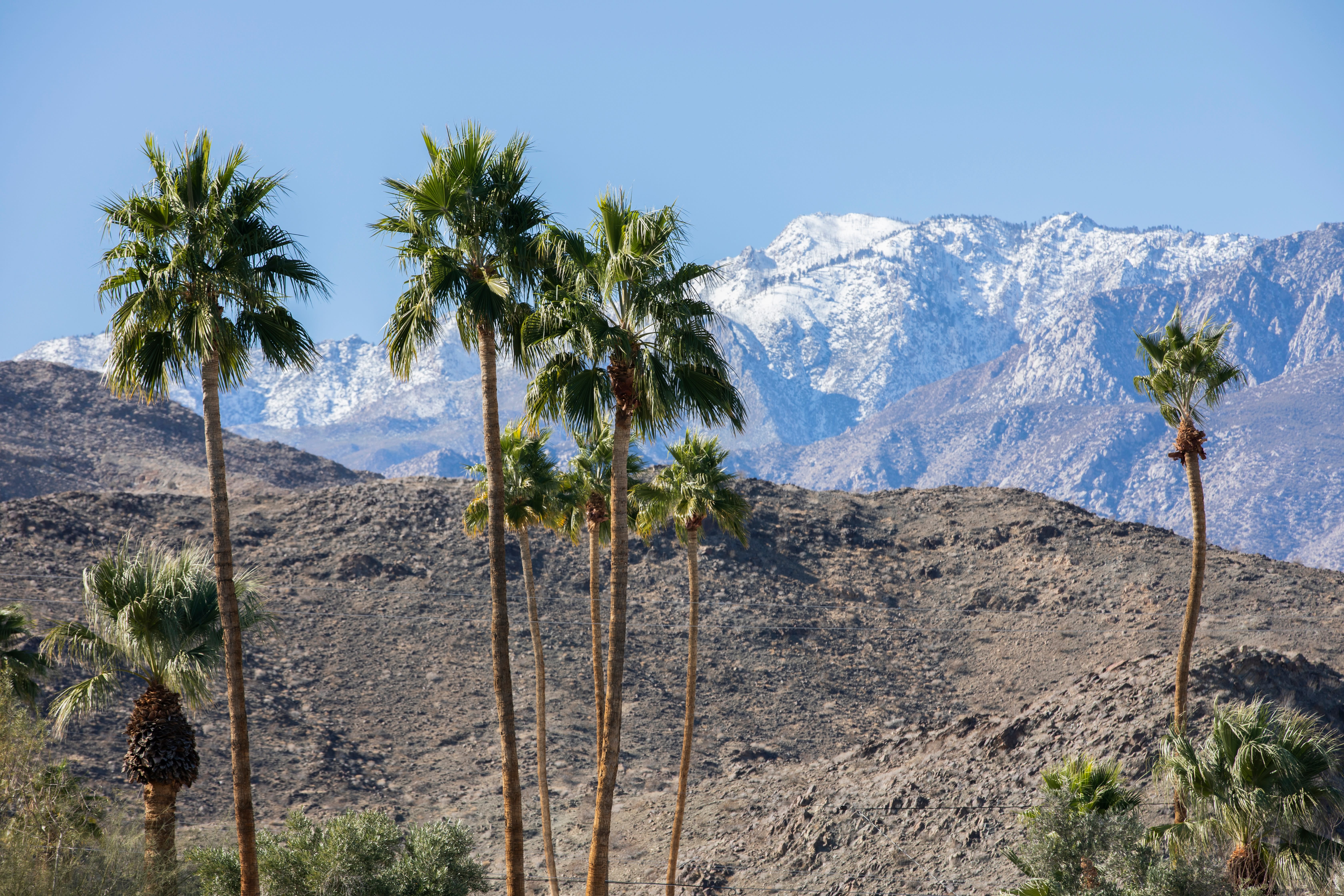
Golf course frontage can have a different effect from a view-oriented lot. A home with mountain views may be evaluated differently from one that overlooks a fairway, lake, or private garden. Lot size, architecture, renovation level, HOA structure, club membership, and even the specific street can shape both buyer interest and perceived value.
A renovated contemporary residence and an original-condition home in the same gated community may not be interchangeable comparisons. Likewise, two properties with similar square footage can draw different attention because one offers a more private setting, a preferred orientation, a stronger indoor-outdoor connection, or access to a country-club lifestyle a buyer specifically wants.
In the Coachella Valley, proximity is not the same as comparability. The most meaningful pricing evidence comes from homes that compete for the same buyer—not simply homes that happen to be nearby.
The Questions That Shape a Stronger Selling Strategy
Before setting a price or deciding how to bring a luxury home to market, I believe sellers deserve clear answers to the questions that will influence their result. The goal is not to chase a headline. It is to understand the current market position of the home and build a strategy around it.
- What have buyers recently paid for homes that truly compete with mine?
- How much competing inventory is currently available?
- Where are buyers negotiating?
- Which properties are sitting on the market—and why?
- What will make my property stand out to the right buyer?
Those answers help identify whether a home should lead with design, location, privacy, golf or mountain views, a significant renovation, club lifestyle, or another feature that separates it from the competition. They also help set realistic expectations about pricing, preparation, and negotiation before the home is exposed to the market.
A Hyperlocal Approach to Luxury Home Selling
After more than 30 years in real estate and years working with luxury properties and luxury auctions, I have learned that the strategy behind a sale can be just as important as the property itself. The strongest approach is straightforward: study the relevant competition, identify the home’s most compelling advantages, and position it thoughtfully for the buyer most likely to value them.
For Coachella Valley sellers, that means looking beyond broad labels and focusing on the market your home actually inhabits. Whether your property is in Palm Springs, Rancho Mirage, Palm Desert, Indian Wells, or La Quinta, a careful hyperlocal perspective can bring greater clarity to the decisions that matter most.
If you are considering selling a luxury home in the Coachella Valley, Cindy Jones is happy to provide a straightforward, no-pressure look at where your property fits in today’s market.
Cindy Jones | California Real Estate Broker | Coachella Valley Luxury Real Estate | 949-244-1300 | CindyLJones.com | DRE #00979078
Source
Homes.com News, “Top luxury sales vary wildly across markets in July, Homes.com analysis finds,” August 19, 2026.